Korea launches the "One Team" model as a response to CBAM
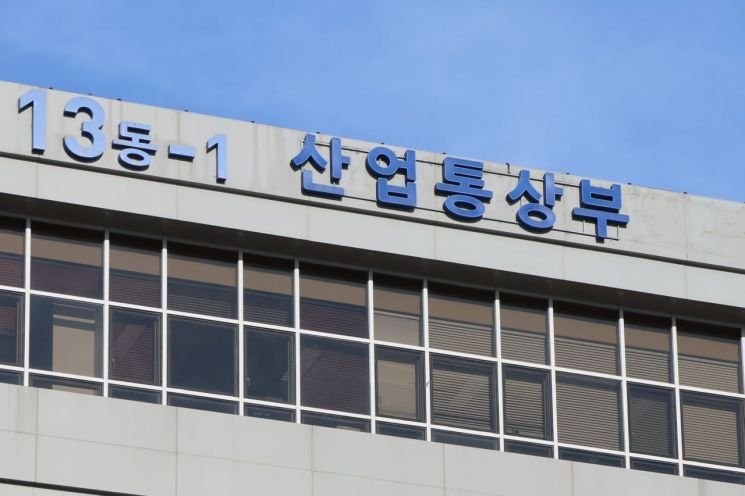
The Korean Ministry of Trade, Industry and Energy (MOTIE) announced on May 19, 2026 the launch of the "2026 Industrial Supply Chain Carbon Partnership Project" – an ambitious attempt to address Scope 3 emissions across Korea's key export sectors.
The government is investing 9.8 billion won (≈ 7 million USD) and covering 50–60 % of the costs for carbon‑reduction technologies for SME suppliers.
Eight consortia and 31 SME partners, including Hyundai/Kia, Samsung, LG, POSCO, etc., aim to save ~20,000 t CO₂e per year through four types of support models:
1. Chain support model (Hyundai/Kia) – money to Tier 1 → they pass it on to Tier 2
2. Synergy connection model (Samsung, LG, SK Hynix, HL Mando) – sharing common suppliers → the effect multiplies across the sector
3. Performance utilization expansion (HD Korea Shipbuilding) – surplus reductions are converted into external carbon projects
4. Downstream support model (POSCO) – steel helps its customers (automotive, construction)
Specific SME technologies: high‑efficiency air compressors, photovoltaics, energy‑efficient heat treatment, semiconductor manufacturing optimization. Plus Product Carbon Footprint (PCF) consulting = SMEs will be able to provide compliance data to their anchor firms.
The goal of this activity is explicitly export-oriented – MOTIE names the specific regulations it is preparing for:
- EU CBAM (steel, aluminium, cement) – POSCO is a Top 5 global steel exporter to the EU
- EU Battery Regulation (Samsung SDI, LG Energy Solution, SK On = Top 3 global suppliers of EV batteries for EU automotive)
- Stricter supply chain due diligence requirements (CSDDD)
- IMO regulations for shipbuilding (HD Korea = #1 global shipbuilder by value)
What to take away?
1. Korea does the opposite of what Trump does. While the US SEC is rolling back climate disclosure, Korea directly funds Scope 3 reduction for SMEs. It deliberately prepares export sectors for the European regulatory framework because the EU is a key market for Korea (automotive, batteries, steel, electronics).
2. CBAM as a “global de facto carbon tax”. The Korean response is further evidence that the EU CBAM acts as a regulatory magnet – it forces Asia to adopt carbon accounting even without its own carbon price.
3. The supplier capability gap is a universal problem. Koreans are tackling the same issue that VW, Volvo, BMW, ASML, BASF face: Tier 1 suppliers have compliance, Tier 2/3 SMEs do not. Without a stream of subsidies for SME compliance, Scope 3 reporting will not move forward. Australia this week is proposing “boundaries on supplier information requests” – Korea is doing the opposite and funding supplier readiness.
4. Inspiration for the Czech Republic – Czech industry faces a similar problem: companies must report Scope 3 for their EU clients, but SME suppliers lack the capacity. A similar programme, for example through the National Recovery Plan, could be highly cost‑effective.
5. POSCO "downstream model" is a model for European steelmakers. ArcelorMittal, Salzgitter, Voestalpine could (and should) do the same, i.e., help automotive/construction clients transition to green steel.
Related articles
California set August 2026 as the deadline for the first mandatory corporate climate reports
South Korea is introducing mandatory sustainability reporting from 2028
Korea wants to get rid of its dependence on plastic oil