The number of butterflies on European meadows has decreased by half over thirty years. And from this year it is a legally binding indicator.
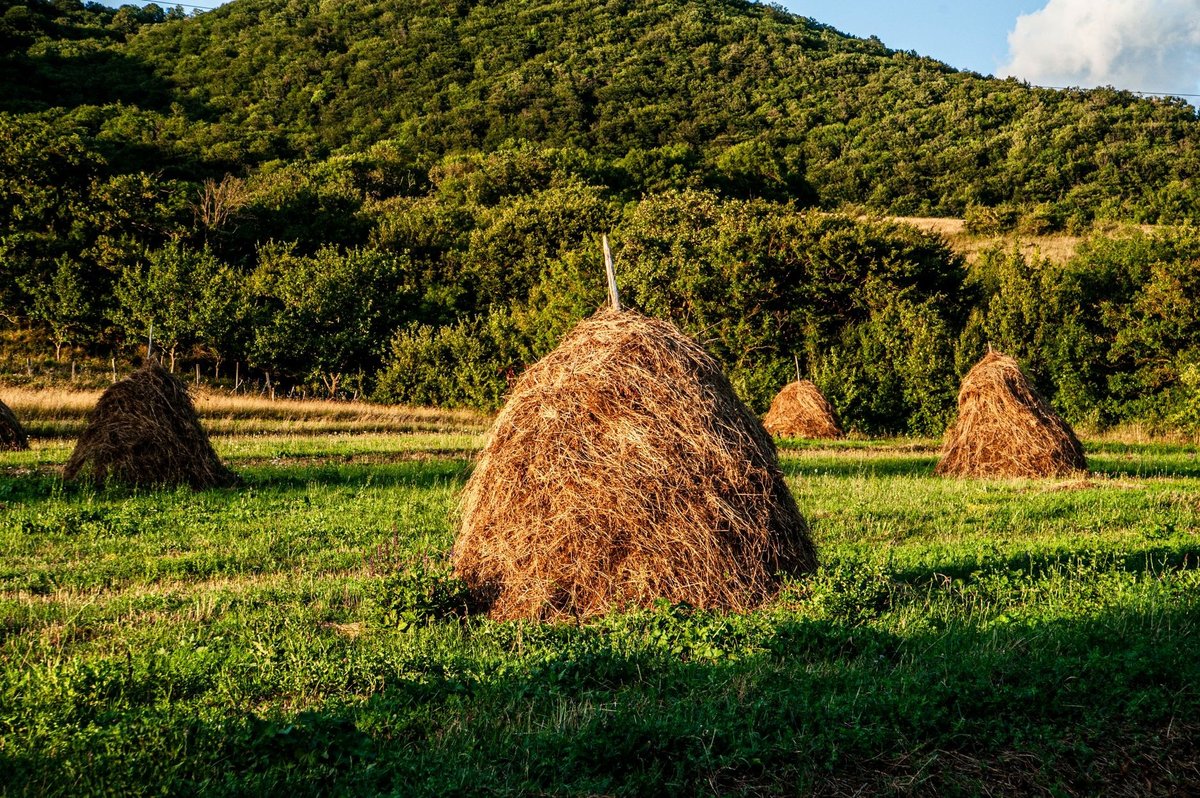
The European Environment Agency updated the meadow butterfly index. Between 1991 and 2023 the abundance of 17 typical species in the EU fell by 50 %. Not a single one of those seventeen species increased significantly. Seven declined sharply, six are stable, and for four the trend cannot be reliably determined.
The decline is driven mainly by specialists — species tied to a specific habitat type that have been consistently dropping since 2003. This is the classic pattern of ecosystem impoverishment: resilient, universal species persist, while specialized ones disappear.
Why this is not just a report for entomologists:
1. Butterflies are an indicator, not a curiosity. They respond quickly to habitat changes, are pollinators and a food base. Their decline is part of a broader insect collapse.
2. The cause is agriculture and land use — intensification, loss and fragmentation of habitats, chemisation including pesticides, but also abandonment of meadows. Species‑rich semi‑natural meadows disappear from both sides: they are ploughed, or conversely become overgrown because nobody mows or grazes them.
3. And now the crucial part: the meadow butterfly index is one of three indicators for agricultural ecosystems under the Nature Restoration Regulation (NRR, 2024). Member states must choose at least two of the three (besides butterflies, the indicators are the stock of organic carbon in arable soils and the proportion of agricultural land with high‑diversity landscape features) and implement measures aimed at a rising trend by 2030. The NRR also requires reversing the decline of pollinators no later than 2030.
In other words: a metric that was previously a scientific indicator has become a legal obligation for member states — impacting the Common Agricultural Policy and strategic plans.
Side note — the data come from field work by thousands of trained professionals and volunteers who in 2023 completed almost 3 800 standardized transects across all 27 member states. One of the best‑documented biodiversity trends in Europe relies heavily on citizen science.
And another sober observation from the indicator: the decline continues both within and outside protected areas. Merely designating a location is not enough — the management approach determines the outcome.
Source: European Environment Agency, indicator Grassland butterfly index in Europe, published 22 Oct 2025 (data 1991–2023)
Related articles
Norwegian sovereign fund sets new rules: companies must manage nature-related risks

“Honey, we have a problem”

The world is lagging on 22 out of 23 nature goals for 2030. The only "green" one is the climate one.