The carbon footprint of milk can be 41% higher than previously calculated
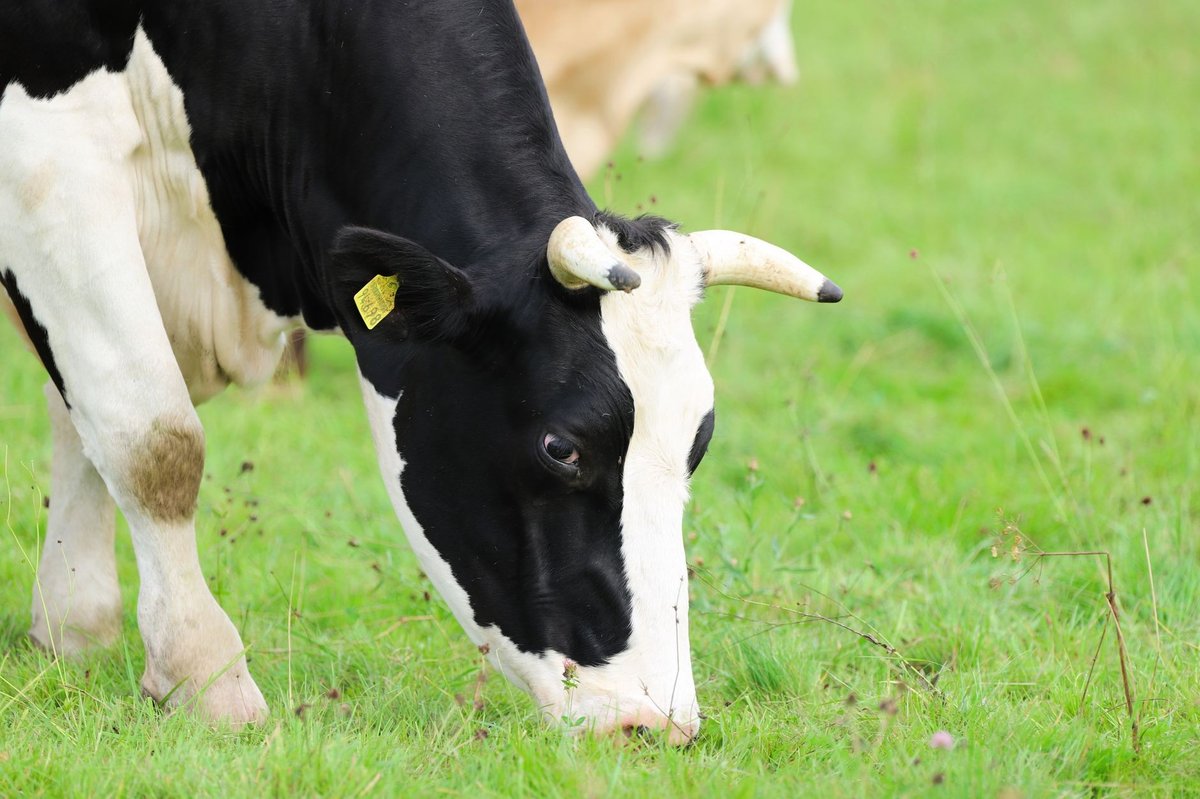
A new study by the University of Helsinki and the Finnish Meteorological Institute shows that when changes in the organic carbon stock in the soil are included in the calculation of milk's carbon footprint, the numbers change dramatically.
When assessing the climate impact of milk, the focus is usually on methane from cows. Changes in soil-bound carbon are almost never accounted for – partly because there is no standardized calculation method. This study changes that.
Researchers compared three different methods for calculating soil carbon changes and the results differed substantially. The simplest method (IPCC Tier 1) significantly underestimated emissions compared to detailed field measurements and carbon models.
When the grassland vegetation was weakened (typically after repeated freeze‑thaw cycles in a northern climate), the soil released a substantial amount of carbon into the atmosphere. Converting grassland to grain crops resulted in almost a five‑fold increase in carbon loss.
After including soil emissions in the overall balance, the carbon footprint of milk was 41% higher than in standard assessments.
Grasslands can either sequester or release carbon – it depends on vegetation condition, climate, and management practices. The below‑ground biomass of grass is a key source of carbon for storage in the soil. Without accounting for this balance, the climate impact of food production cannot be honestly assessed.
Climate change also brings unpredictable effects – more freeze cycles, droughts – which can further weaken fields' ability to act as carbon sinks.
"Soil is a living carbon bank. Without accounting for it, we cannot honestly assess the climate impact of food production." – Yajie Gao, University of Helsinki
Gao et al. (2026), Int J Life Cycle Assess. Source: University of Helsinki
Related articles
Polestar, as the first automaker, disclosed the complete carbon footprint of every vehicle

Tropical peatland fires have reached a 2000‑year maximum. And humans may be responsible.
Danish scientist counted insects on the same front glass, same route, under the same conditions – 20 years in a row. In the twentieth ro...