SEC wants to abolish mandatory quarterly corporate reports
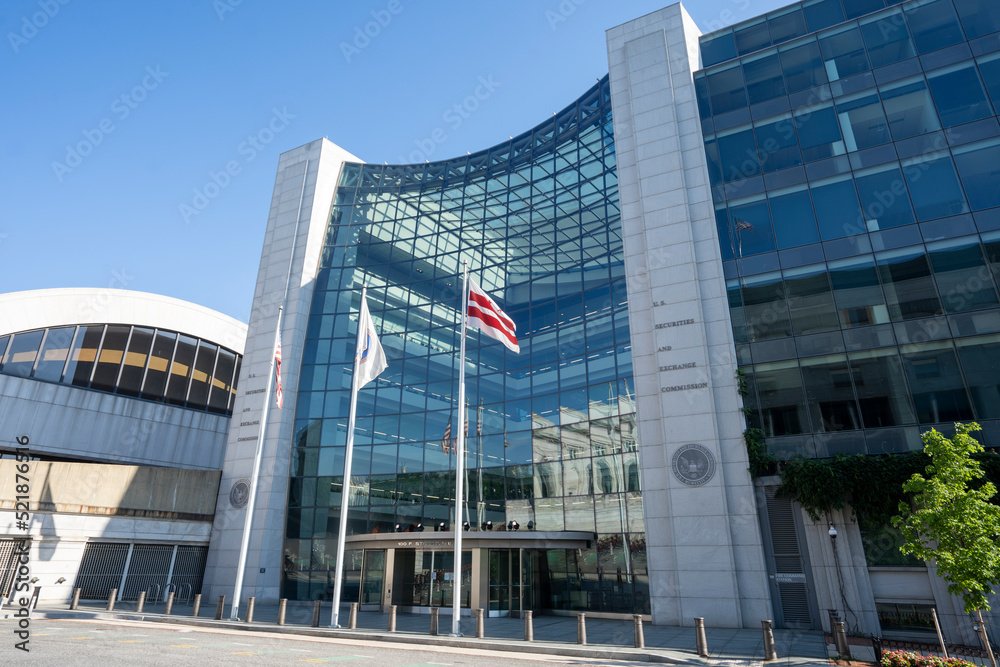
U.S. capital markets regulator SEC on Tuesday proposed eliminating the quarterly reporting requirement for publicly traded companies and allowing them semi‑annual reporting instead. The proposal accelerates Trump’s deregulation agenda and could fundamentally change the way Wall Street handles information.
Companies could choose for themselves between quarterly and semi‑annual reporting. Quarterly reporting has been the standard in the U.S. since the 1970s – that is, for over 50 years.
The Financial Times, in its article, cites the main arguments FOR the change:
- less bureaucracy and lower compliance costs would facilitate easier market entry
- end of “short‑termism” – managers could focus on long‑term strategy instead of chasing quarterly numbers
- help small and medium listed companies, which often delist under quarterly pressure
Arguments AGAINST:
- less transparency = less efficient markets and poorer capital allocation
- risk of inconsistency: a company may report quarterly one year and semi‑annually the next → confusing investors
Many countries (UK, EU, Japan) already use semi‑annual reporting as the standard. The case for semi‑annual reporting is stronger for companies with long investment cycles (utilities, infrastructure, biotech). Conversely, in fast‑changing sectors (tech, retail, banks) quarterly information is essential for investors.
The FT argues that this is a philosophical shift in the view of the relationship between a company and the capital market. It is about whether the public market should serve transparency (more reporting = better decision‑making) or capital availability (less bureaucracy = more companies on the exchange).
For Europe it is interesting to watch this shift, because the EU is moving in the opposite direction – CSRD, ESRS, EU Taxonomy increase reporting obligations, while the US is moving to a “lean mode”. This divergence could influence where global companies will prefer to list.
And one interesting paradox: while the SEC proposes less reporting, private markets (private equity, private credit) remain almost without transparency.
Related articles
SEC sends the climate disclosure rule to the ground

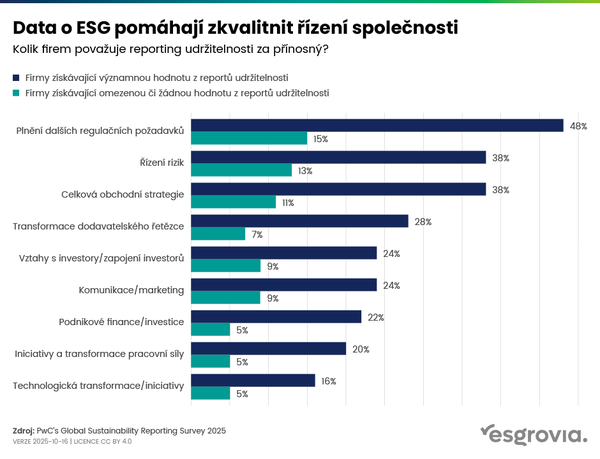
Data on ESG help improve company management