GHG Protocol has a new boss – and the biggest battles in the history of emissions accounting await him
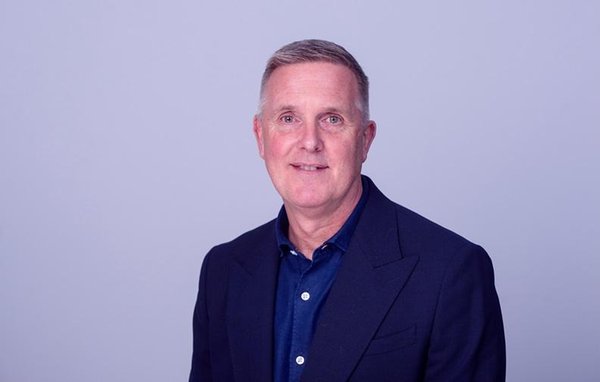
Tim Mohin, until now a partner at BCG for climate and sustainability, will start on June 1, 2026 as the very first CEO of the Greenhouse Gas Protocol – an organization whose standards are used by 97 % of reporting companies in the S&P 500.
Who is Tim Mohin?
Career across sectors: sustainability roles at Apple and Intel, public sector (US EPA, Senate), most recently BCG. He describes his new role himself as a "traffic cop" – constantly dealing with conflicting interests of various stakeholders.
What is he getting into?
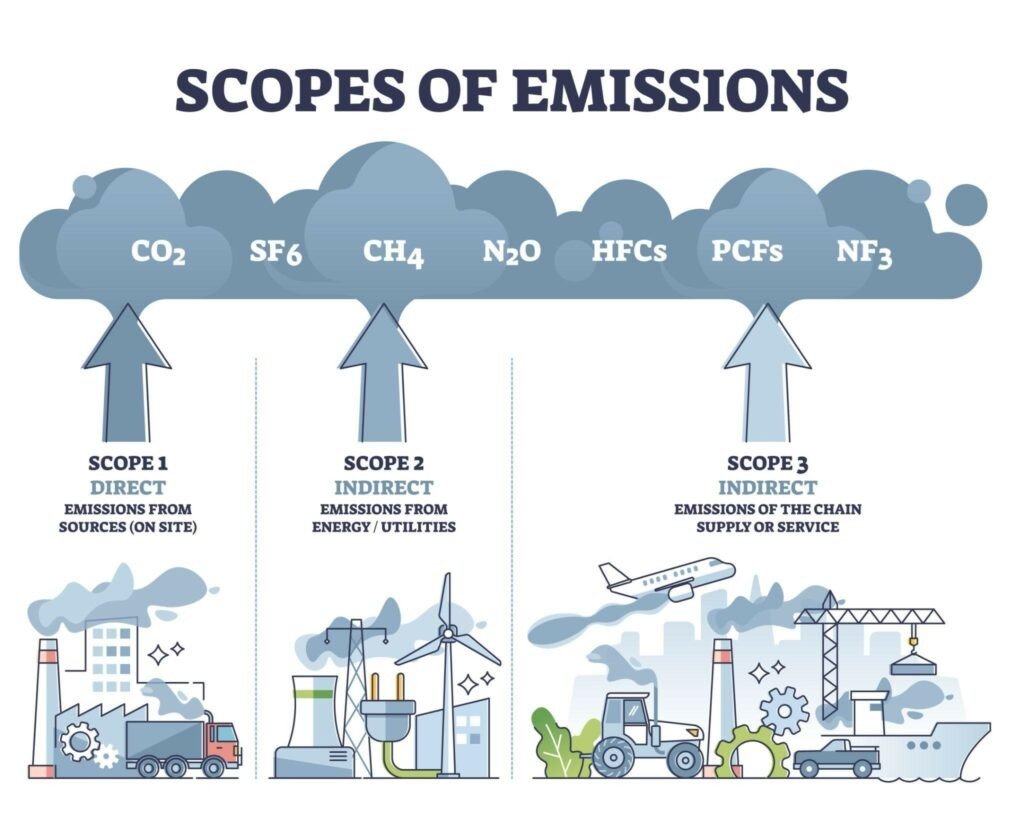
1) Scope 2 – the war over energy reporting methodology – the GHG Protocol proposes a shift from annual average reporting to hourly matching with physical supply. This would mean that companies could no longer simply purchase renewable energy certificates (RECs) from anywhere in the world and count them. They would have to demonstrate that green energy actually powers their operations hour by hour.
2) Scope 3 – 95% coverage – the GHG Protocol proposes a requirement to report at least 95 % of Scope 3 emissions. Today, less than a third of listed companies report Scope 3 at all. Mohin says this is both feasible and necessary – and points to his experience at AMD, where they found they were focusing on the wrong part of the problem until they started measuring the entire value chain.
3) SBTi vs. GHG Protocol – is a split looming?
The WSJ reported last week that SBTi (with over 10,000 corporate members) is considering breaking away from the GHG Protocol over disagreements about Scope 2. Mohin says he does not want a split – it would lead to fragmentation, which is the exact opposite of what is needed.
Why is it important?
GHG Protocol is the de facto global standard – the basis for CDP, ISSB and CSRD. As Mohin said: standards are "soft law" and the time when companies could choose their own path is ending.
At the same time, however, it faces unprecedented pressure from all sides: companies want flexibility, academics and environmentalists demand strictness, regulators seek consistency, and ExxonMobil wants an outright alternative system. Mohin's ability to find a compromise will decide the future of global emissions reporting.
Related articles
Decarbonization of supply chains: start asking “how will we profit from it?”
82% of companies are maintaining or accelerating climate targets

SBTi V2.0: what it means for manufacturers and their suppliers