Mercedes-Benz reached for aluminum from scrap.
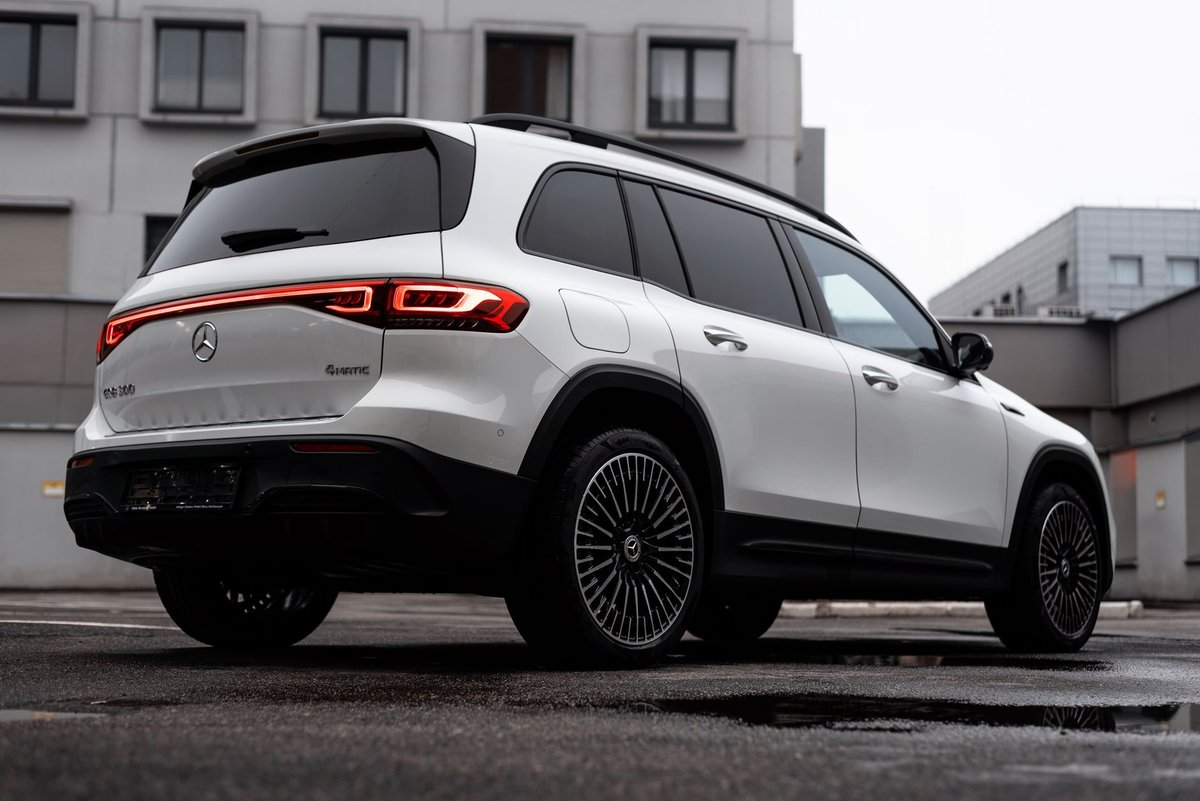
Mercedes-Benz AG-Benz has expanded its partnership with the Norwegian company Norsk Hydro and has become the first automaker in Europe to use recycled aluminum in series production — specifically for the next generation of large electric vehicles. What is essential about this:
The new material contains at least 75 % recycled content (post‑consumer), compared with the current roughly 25 %.
Aluminum is recovered from vehicles at the end of their life, as well as from buildings and infrastructure — thus true circularity, not just production waste.
In addition to recycled material, Mercedes already sources primary aluminum, Hydro REDUXA, produced by electrolysis using renewable energy, with a carbon footprint more than 70 % below the global average. The cooperation has been running since 2022 and in 2024 expanded to the entire value chain — from raw material to finished part.
Why isn’t this just PR about a “green car”?
Aluminum is one of the most carbon‑intensive inputs in a car — the electrolysis itself is extremely energy‑intensive. In electric vehicles, where operational emissions decrease, the carbon‑footprint burden shifts precisely to materials and manufacturing.
It is also a textbook example of working with Scope 3. Purchased goods and services are often the largest and hardest‑to‑influence part of an automaker’s emission footprint. Decarbonisation cannot be “solved” within the factory itself — it must go through the supply chain. Mercedes links this to its goals to reduce production emissions by 80 % by 2030 and to have all purchased manufacturing materials carbon‑neutral by 2039.
The second motive, which appears in the press release as strongly as the climate angle, is also interesting: resilience and regionalisation of supply chains. Aluminium recycling in Europe also reduces dependence on imports of primary raw material.
Related articles
82% of companies are maintaining or accelerating climate targets
SBTi V2.0: what it means for manufacturers and their suppliers
JBS cancels net zero for the entire chain. It leaves behind 97% of its carbon footprint.