South Korea unveiled a climate strategy worth $750 billion
The Korean government launched the K-GX strategy (Korean Green Transformation). Over ten years it aims to mobilize 1,000 trillion won for decarbonisation, roughly $747 billion USD. That is about twice the annual GDP of the Czech Republic.
How it is financed:
- 20% will come directly from the state budget for infrastructure, research and development, and public sector transformation
- 57% consists of state-supported climate financing: preferential loans, green bonds, and guarantees
- 23% is expected to come from the private sector through regulatory incentives and PPP projects
What it is about:
▪️ industrial decarbonisation: steel, petrochemicals and refineries, cement, semiconductors and displays
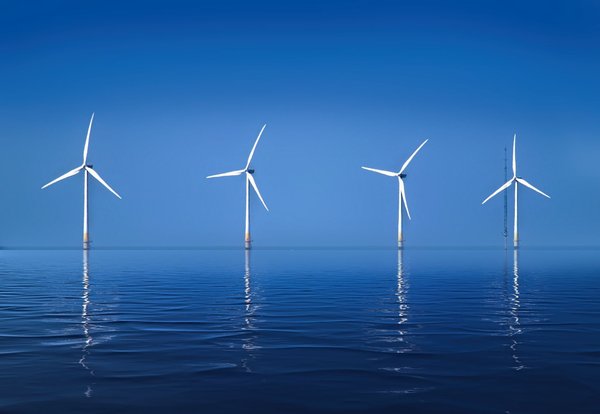
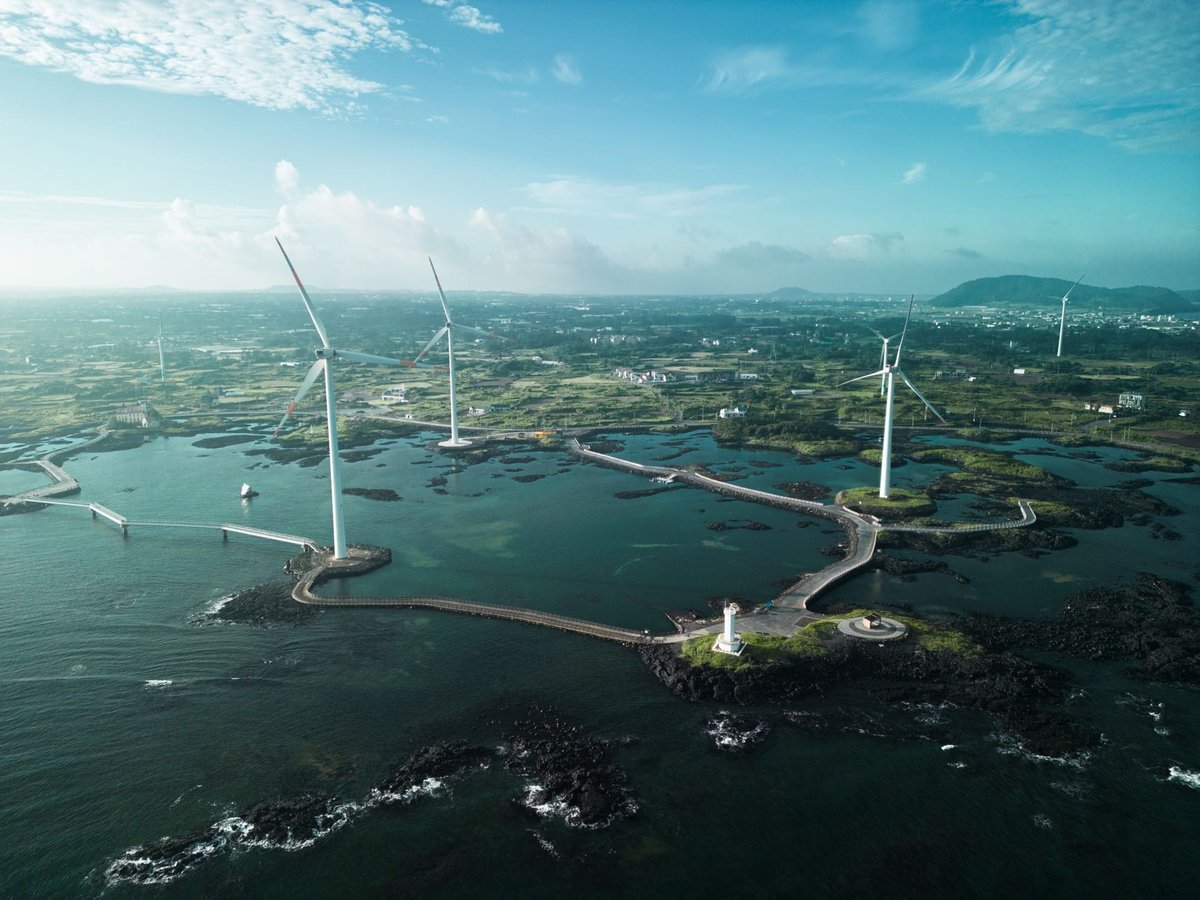
▪️ renewables: 100 GW capacity with an emphasis on offshore wind, large solar power plants, and grid modernization
▪️ mobility: by 2035 it should account for more than 70 % of sales of new cars with zero‑emission powertrains, tax advantages for combustion engines will end, and an ultra‑fast charging network will be established
Finance Minister Lee Hyoung‑il does not describe it as an environmental policy. According to him, it is a structural overhaul of the Korean industry that combines fiscal support with deregulation and is meant to give manufacturers predictability and capital.
Related articles
Methane causes a third of global warming. Yet we can reduce it quickly — we lack market design, not technology.

For the first time in 15 years: the British press rejects climate policy more than it supports

Investors with $36 trillion: we are not backing away from net zero