EU changes its tone towards cattle breeding. Good news for Czech breeders and consumers?
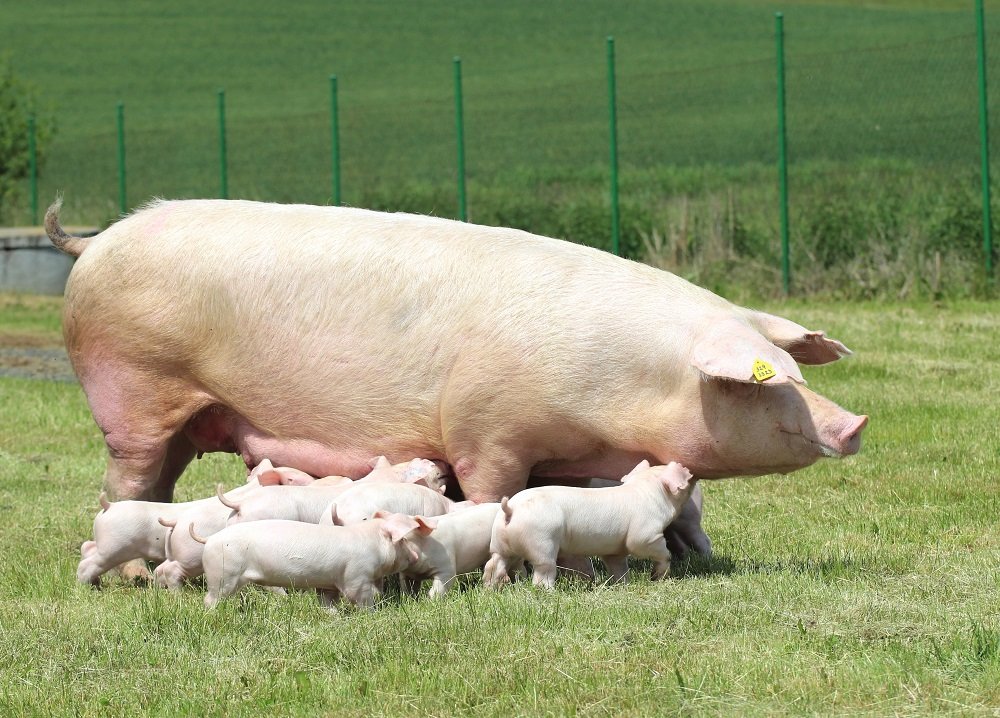
The European Union has published a new strategy for animal production, which many observers read as a fundamental shift. After a decade in which breeding was primarily seen as a source of emissions, the document now labels it as “critical infrastructure” — a strategic asset economically, socially and environmentally.
Five priorities of the strategy:
- reduce dependence on imported feed
- restore production in regions threatened by land abandonment
- support breeding as a pillar of rural areas
- preserve its role in the regional economy
- strengthen food self‑sufficiency (together with the Protein Strategy)
The numbers of farm animals in the EU have been declining for 20 years. The previous wave of regulations went in the opposite direction — a Dutch court ordered a 30% reduction in stocks, including farm buy‑outs, Ireland planned a reduction of 200,000 units, and Denmark introduced a methane tax as the first country. This sparked widespread farmer protests across European capitals.
The reactions are still cautious, however the initiative is heading in the right direction. British meat processors, for example, have called on their government for a similar document and the Australian dairy sector described it as "a lesson for the rest of the world".
While the EU is newly talking about self‑sufficiency, the Czech reality, for example in pork, is alarming. Self‑sufficiency in pork production fell from 98 % (1989) to just 47 % (2024) — almost half of consumption is imported, mainly from Spain, Germany and Poland. After joining the EU in 2004, the pig herd declined from ~3 400 thousand to ~1 300 thousand heads and pork imports rose from 88 thousand tonnes (2004) to 207 thousand tonnes (2024).
Direct payments (SAPS) have long favored plant production, whereas cheap imports have disadvantaged domestic breeders.
The EU now essentially describes a problem that the Czech Republic has been experiencing for 20 years. The question is whether concrete measures will follow the strategy – or if it will remain just words.
Related articles
Abundant cheap energy as a determining factor of business sustainability
The Korean association KITA warns about the impacts of the CBAM mechanism on Korean exports to the EU from 2031.

Danish scientist counted insects on the same front glass, same route, under the same conditions – 20 years in a row. In the twentieth ro...