ESG reporting - USA cancels, EU simplifies, Australia narrows.
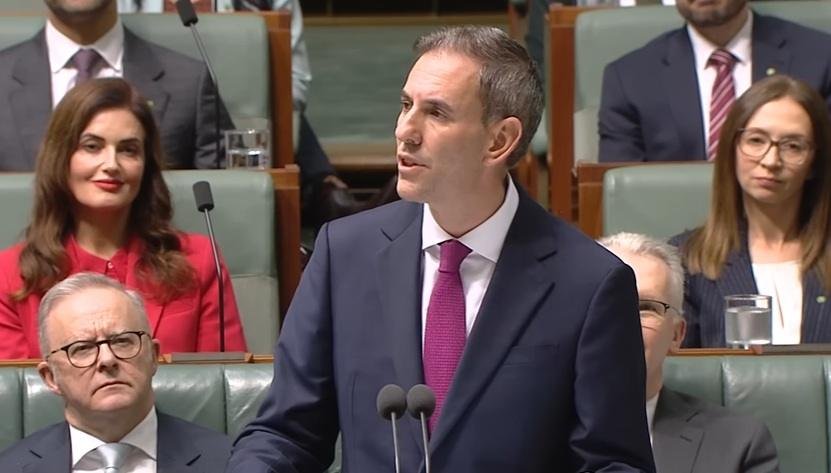
The Australian government, as part of the 2026 budget, proposed fundamental changes to the sustainability reporting obligation. The revenue threshold for small companies is doubled from A$50M to A$100M, assets from A$25M to A$50M – companies below the new thresholds will be completely exempt from audited financial reporting as well as sustainability reporting.
Mandatory climate reporting applies in Australia from 2024 with a phased rollout:
2025: large companies (500+ employees, $500M+ revenue, $1B+ assets) – already reporting
2026: medium (250+ employees, $200M+ revenue, $500M+ assets) – currently have started
2027: smaller companies (100+ employees, $50M+ revenue, $25M+ assets) – THIS THRESHOLD IS NOW DOUBLED
One of the goals is to stop the avalanche of questionnaires from OEMs/large companies towards their small suppliers
Australia continues to apply AASB S2 (Climate disclosures, mirroring IFRS S2 from ISSB). The standard itself is not weakened – only fewer companies will have to apply it.
The Australian regulator ASIC also published findings from the first mandatory reports – the quality of climate disclosures is higher than in voluntary reports. ASIC also warns against legal disclaimers that conflict with the statutory framework and are therefore not permitted; template-like text without substantive value; and referencing data outside the report itself without meeting disclosure requirements.
What to take away from it?
1. Global trend "reduction, not elimination". The US (SEC) is rolling back climate rules. The EU (CSRD Omnibus) is simplifying them, but keeping them. Australia is now maintaining standards, but narrowing the scope of companies. Three different approaches, one result: less mandatory reporting for small and medium-sized enterprises.
2. Supplier information requests are a global pain. Australia explicitly addresses what companies complain about everywhere: large firms with CSRD/IFRS S2 obligations shift the demand for data onto the entire supply chain. Small suppliers face dozens of different questionnaires each year. The Australian "boundaries on supplier information requests" is the first explicit attempt to regulate this.
3. For the Czech Republic and Central Europe: the Australian model is an interesting "exercise" and inspiration for future CSRD revisions (which already start with the Omnibus). The EU is also adjusting CSRD thresholds similarly to Australia, and small and medium Czech companies could fall out of the full CSRD obligation. On the other hand, banks and large clients will continue to require basic data, so "voluntary reporting" will remain de facto mandatory for anyone with ambitions to obtain external capital.
4. Quality > quantity. ASIC findings (reporting quality higher for mandatory than voluntary) are an important empirical proof that regulation works – not for everyone, but where it is applied, it generates better data.
Related articles
The UK is introducing its own standards for sustainability reporting

SEC sends the climate disclosure rule to the ground

Switzerland joins the EU: new sustainability law