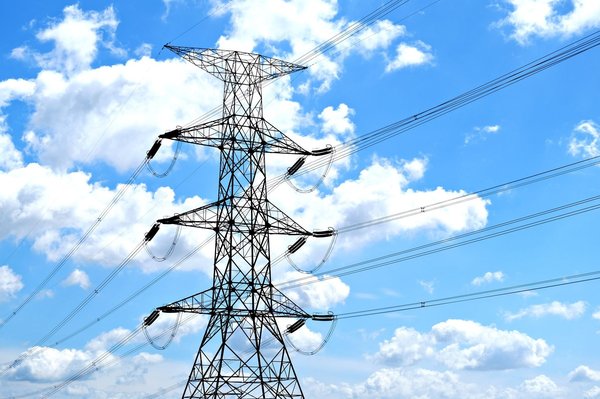
China has released its five-year plan for renewable energy
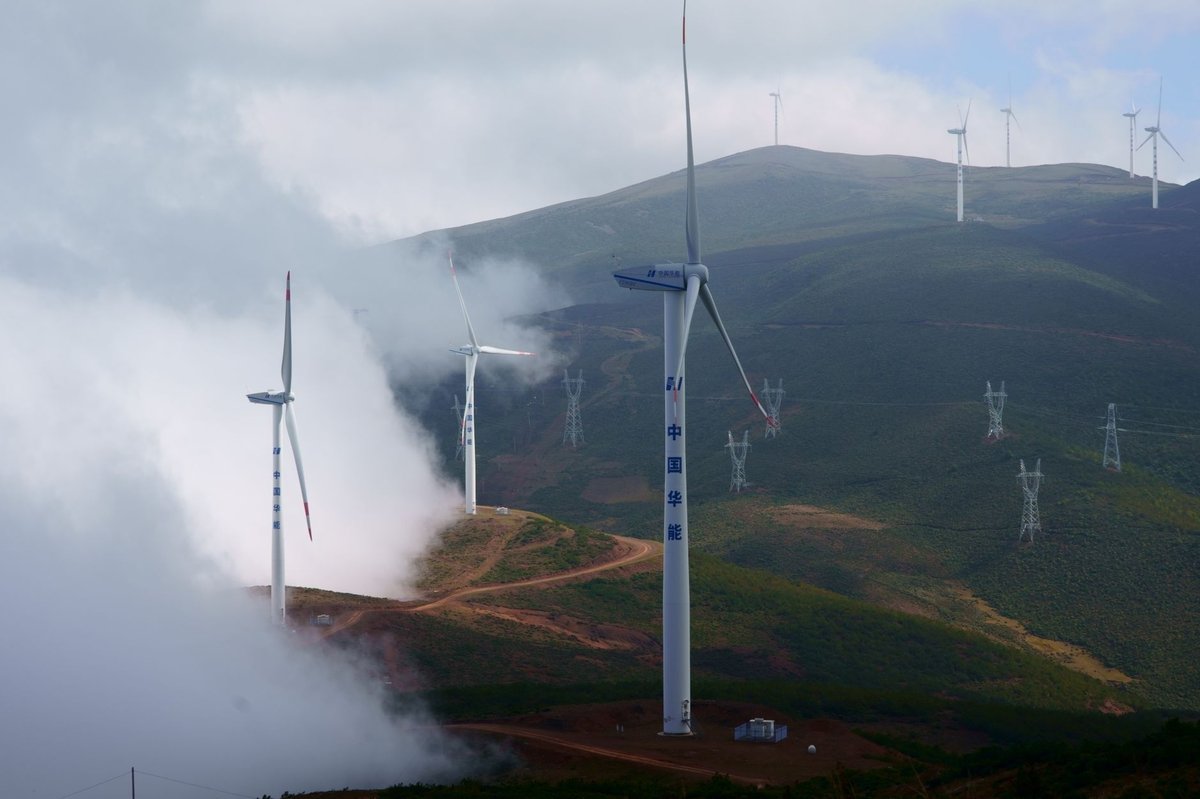
1. New five-year plan for renewable energy. Key targets by 2030:
- 3,500 GW of installed capacity from RE, of which 2,800 GW wind and solar
- for the first time also a target for a guaranteed share of production from wind and solar projects — among other things through on-site storage
- non-electric use of RE (green hydrogen, heating from wind and solar) is set to increase 1.5 times compared to 2025
- energy consumption from RE should rise to 1.8 billion tonnes of standard coal equivalent from 1.18 billion in 2025 — roughly +53 %
2. Additional five-year plans and a three-year action plan
At the same time, plans were released for consumption, environmental monitoring, healthcare (climate change adaptation), and forestry (forest cover 25.8 % by 2030).
The National Energy Administration also issued an action plan for energy savings and emission reductions in the power sector for 2026–2028: the share of non-fossil energy should grow by about 1 percentage point per year, with an emphasis on direct low‑carbon connections and smart micro‑grids, and an increase in the average efficiency of existing coal‑fired power plants by 15 percentage points.
3. Coal is slowing down
Generation from thermal power plants in June +0.5% year-on-year — the slowest pace this year. Solar +14.2%, wind −5.6%. Coal mining fell to 380 million tonnes, −9.7%
4. Export “new trio” and other reports
Export of electric cars, lithium‑ion batteries and solar panels in the first half of 2026 +52% to $118 bn; export of wind turbines +36%
Requirements for the “national carbon‑free factory” status released — max 1.8 t CO₂ per tonne‑equivalent of standard coal, with an ambition of 0.2 t
Tax exemption for certain batteries and solar panels ends
According to the Global Energy Monitor, China needs 27 new UHVDC lines for its renewable‑energy megabases by 2030 — State Grid, however, plans to build 15
6. Spotlight: Zhejiang bans combustion engines
Zhejiang province, as the first in China, will ban the sale of new fossil‑fuel cars from 2030. Preparation took eight years (first mentioned in the 2018 central plan).
- all new public and commercial vehicles must run on “clean energy”, all new private cars must be NEVs
- NEVs should make up 45% of the island's vehicle fleet by 2030, with one charging point per 2.5 vehicles
- last year NEVs already accounted for over 60% of new sales, and 23% of the total fleet
Regardless of how the debate about the pace of transformation is conducted in Europe, the figures from China show a clear direction. And because it is also the world's largest technology supplier, the impact reaches the energy sector and industry far beyond its borders.
Energy ambitions today are not measured by announced targets, but by the ability to physically build and connect them. This applies in China just as it does in Europe.
Related articles
Coal in 2025: the most new power plants in 10 years, but less electricity from coal.
Brake and accelerator at the same time: what the new EU ETS revision means
EU wants to save 260 billion euros per year thanks to higher electrification