The world is lagging on 22 out of 23 nature goals for 2030. The only "green" one is the climate one.
The draft of a new UN report (Convention on Biological Diversity, CBD) brings an unpleasant balance of the Kunming-Montreal framework — nicknamed the "Paris Agreement for Nature". Out of 23 global goals for 2030, the world is on track for only one. Score in a nutshell:
Out of the 23 goals, only goal 8 — mitigating the impacts of climate change on biodiversity — received the "green" rating. The remaining 22 are rated worse.
The report says it clearly: if implementation does not "speed up quickly", the 2030 targets will not be met.
The biggest lag is behind indirect causes of biodiversity loss — harmful corporate practices and the subsidies that support them.
Where it hurts the most:
30×30 (protecting 30% of land and seas): a flagship goal, but more than half of the countries have not anchored it in their national plans at all
Financing: over four years, a total of $186.4 billion was mobilized — against the need to close a $700 billion annual gap.
Harmful subsidies: the goal is to cut them by $500 billion per year by 2030. Only 27 % of national targets even address this, and merely 5 % have a concrete numerical commitment. Reported harmful subsidies still reach hundreds of billions — and, according to the report, this is an underestimate; in reality it amounts to trillions.
Why business should care:
The report explicitly points the finger at the “indirect drivers” — that is, business models and public incentives that harm nature. This is precisely the area where biodiversity intersects with corporate reporting and due diligence. While the climate agenda has relatively established metrics and market tools, biodiversity lags behind in data, definitions, and financing.
The balance will be refined at the COP17 summit in Armenia in October.
Climate policy has a head start. Biodiversity is the next big agenda, which now stands exactly where climate was ten years ago — many targets, little money, and missing data.
Related articles
Norwegian sovereign fund sets new rules: companies must manage nature-related risks

The number of butterflies on European meadows has decreased by half over thirty years. And from this year it is a legally binding indicator.

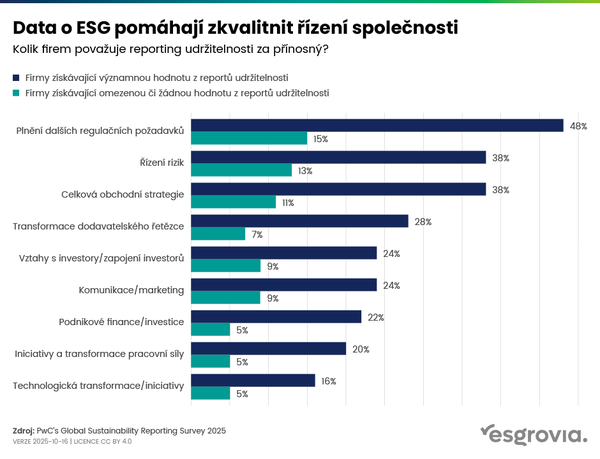
Data on ESG help improve company management