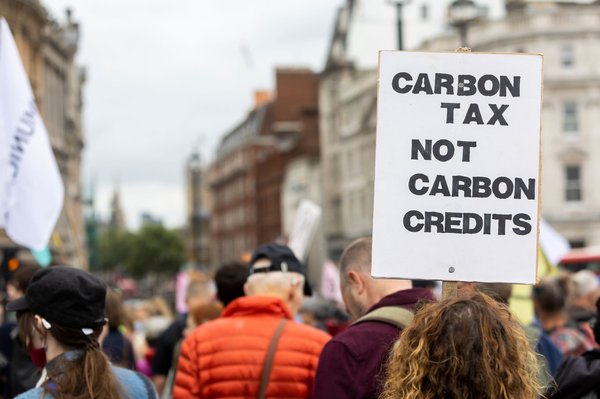
CBAM and Kazakhstan: carbon tax as a risk for steel and aluminium exporters
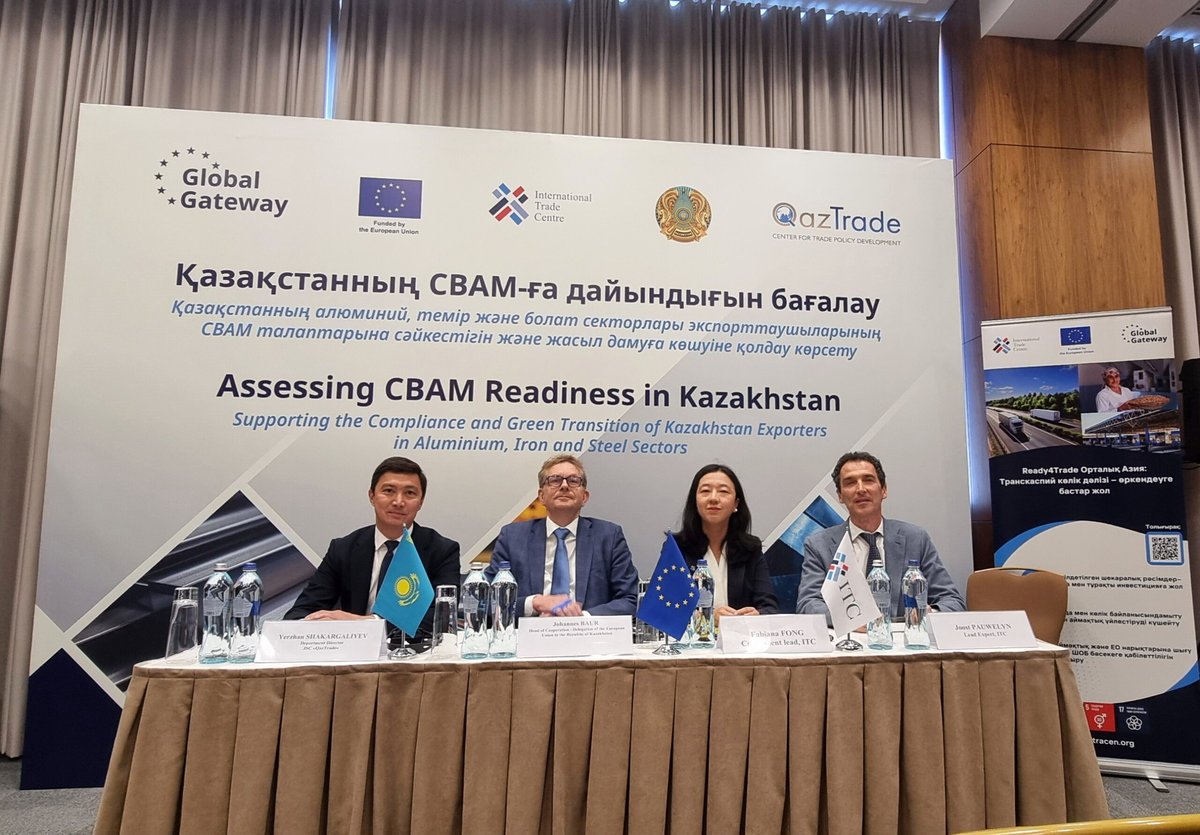
The International Trade Centre (ITC) presented a report in Astana on the impacts of the EU CBAM on the Kazakh industry. The figures are a warning – not only for Kazakhstan but for all exporters to the EU from developing countries.
The EU accounts for 54 % of Kazakhstan's aluminium exports. At a carbon price of €80 per tonne, CBAM costs for aluminium would be about €5.6 million (approximately 2 % of export value). That is manageable.
For steel the situation is dramatically different. Using the EU's default emission values, CBAM costs would exceed €108 million – that is 123 % of the value of some steel exports. The CBAM fee would in this case surpass the actual value of the exported goods.
Exporters who do not provide actual emissions will be charged based on the EU's default values, which assume carbon‑intensive production with a 10 % surcharge in the current period, rising to 20 % and then 30 % by 2028.
If Kazakh exporters start properly measuring, verifying and reporting actual emissions, total CBAM costs would drop from roughly €114 million to about €57 million per year – a 50 % saving.
While the carbon price in the EU is around €80 per tonne, Kazakhstan's ETS charges roughly €0.40 per tonne. This means Kazakh exporters will effectively pay the full European carbon price in the EU with no deduction.
Raising the domestic carbon price would not only reduce exporters' costs but would also allow the Kazakh government to retain more carbon revenue at home instead of sending it to Brussels.
Kazakhstan is not an isolated case. The same scenario awaits exporters from across Central Asia, North Africa and other regions. CBAM effectively exports the European carbon price into global supply chains. Companies that invest in emissions monitoring and reporting now will save tens of millions each year. Those that ignore it will pay the default rates — and those are designed to hurt.
The report is a practical guide not only for Kazakhstan but for every exporter of CBAM commodities to the EU.
Related articles
How are Scandinavian companies preparing for the impacts of CBAM?
EU, Brazil and China created the Compliance Carbon Markets Coalition
World Bank released State and Trends of Carbon Pricing 2026