Blog
Norwegian sovereign fund sets new rules: companies must manage nature-related risks
Norges Bank Investment Management (NBIM) — the manager of the world’s largest sovereign fund, which owns ~1.5% of the shares of all listed companies globally (~7,200 firms) — has just …

Editorial team
READ MORE
Tropical peatland fires have reached a 2000‑year maximum. And humans may be responsible.
A new study published in Global Change Biology (University of Exeter) analyzed carbon in peat layers across four continents and reconstructed the fire history over the past 2,000 years....

Editorial team
READ MORE
Chinese automaker BYD introduced a technology that further advances electric car charging technology.
Blade Battery 2.0 in combination with FLASH chargers (1,500 kW) charges an electric car from 10% to 70% in just 5 minutes. From 10% to 97% in 9 minutes. Even …

Editorial team
READ MORE
Methane causes a third of global warming. Yet we can reduce it quickly — we lack market design, not technology.
An article on Trellis by Ian McKee offers a concrete proposal for financing large‑scale methane emission reductions — and quickly....

Editorial team
READ MORE
Why do companies prefer local carbon offsets, even though there are better climate projects?
Research published in Nature led by Professor Jiehong Lou from the Center for Global Sustainability at the University of Maryland reveals an interesting paradox in corporate decision‑making about carbon offsets....

Editorial team
READ MORE
Loss of trust in sustainability costs companies 7× more than building it
The new 12-year Sustainable Brand Index (SBI) study analyzed 1,400 brands in the Nordic markets and delivers a clear message: sustainability is no longer a PR topic — it is …

Editorial team
READ MORE
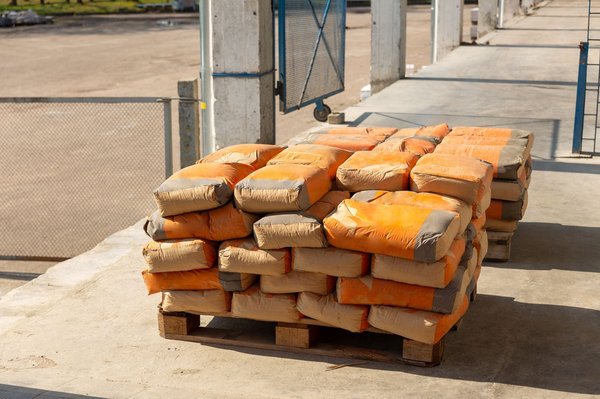
The green cement market will grow to $82.3 bn by 2032
According to a new study by MarkNtel Advisors, the global green cement market will expand from approximately $51 bn in 2026 to $82.3 bn by 2032, representing an annual growth …
Editorial team
READ MORE
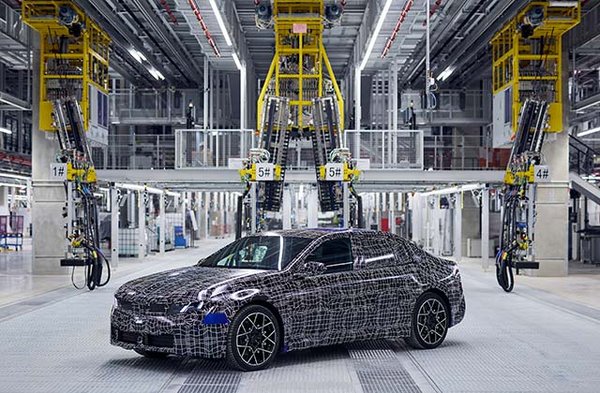
BMW i3 Neue Klasse: Sustainability as a foundation, not just as an add‑on
The new BMW i3 built on the Neue Klasse platform shows how a comprehensive approach to sustainability in the automotive industry can look — from the supply chain through production …
Editorial team
READ MORE
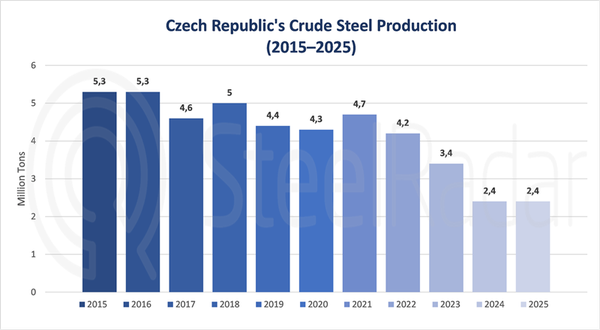
The Czech steel industry remains in crisis
According to data from the steel union, the Czech Republic produced only 2.4 million tonnes of crude steel in 2025 — historically one of the lowest figures ever. Over the …
Editorial team
READ MORE
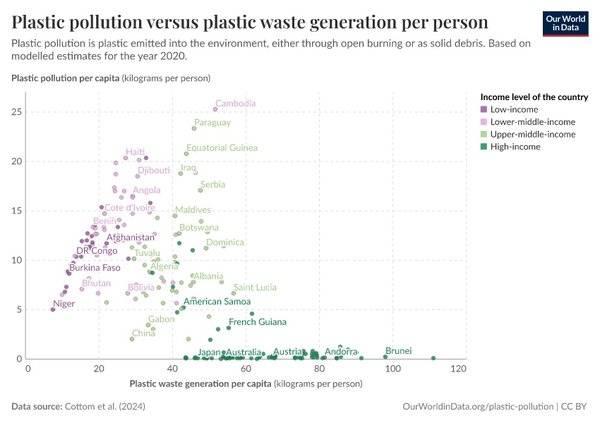
98% of plastic pollution is solvable. And quite simply. An analysis by Our World in Data shows surprisingly simple...
World in Data states that:...
Editorial team
READ MORE
ESG remains an important part of investing for pension and investment fund managers - despite political pressure
A new survey by the British consulting firm Hymans Robertson among 100 asset owners (pension fund trustees and investment managers) yields an interesting conclusion: ESG is today more important for 81 % of them than two years ago, even despite the growing political debate and regulatory changes especially in the USA....
Editorial team
READ MORE
How are Scandinavian companies preparing for the impacts of CBAM?
The Carbon Border Adjustment Mechanism (CBAM) and the EU ETS reform came into force on January 1, 2026, and for the first time in history they pass CO₂ costs directly onto the prices of European materials. Nordea Bank analyzed the impacts on Nordic companies, and the results are interesting....
Editorial team
READ MORE