The study of the Thai central bank identified five impacts of CBAM on Thai exporters:
1) Export of CBAM products from Thailand to the EU fell by 14% compared to other Thai exports after the CBAM announcement in 2020 and by a further 24% after the start of implementation in 2023 – that is, still before the obligation to purchase certificates.
2) CBAM also has indirect effects on the export of products outside CBAM, because exporters often send various goods in bulk shipments and a decline in one category drags down the others.
3) Some Thai exporters of CBAM products have redirected the export of non‑CBAM goods to non‑European markets.
4) The impacts are uneven – small firms are affected significantly more than large ones, due to limited financial resources and technical capacities.
5) Analysts at Kasikorn Research Center estimate that CBAM will affect 3.8% of Thai exports to the EU, amounting to roughly 28 billion baht. Only 7% of Thai exports are classified as environmentally friendly, and the share of clean energy in total consumption is just 13–14%.
Thailand is also legislatively unprepared – the climate law, necessary for introducing a carbon tax and emissions trading, ran into the dissolution of parliament, leaving the country without a legal framework to help exporters cope with CBAM.
Related articles
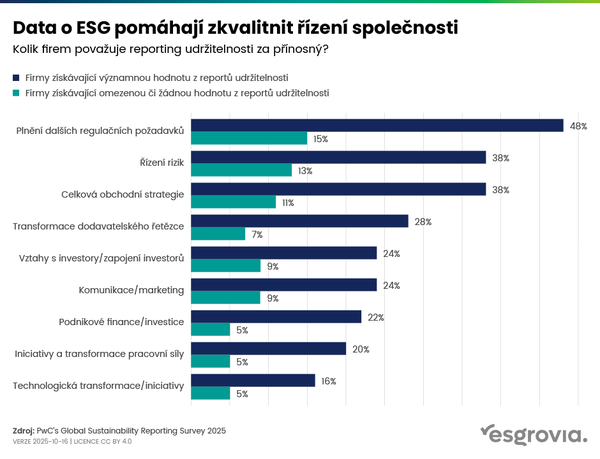
Data on ESG help improve company management