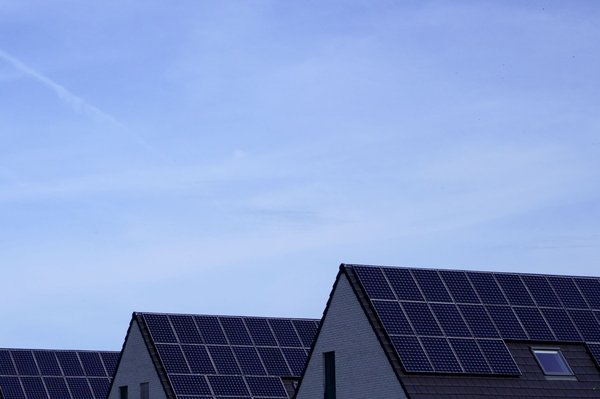
CO₂ removal from the atmosphere must grow faster than solar energy
The third edition of the State of Carbon Dioxide Removal report (Oxford University, June 2026, www.stateofcdr.org) offers a sober reading: even with rapid emission reductions, CO₂ removal from the atmosphere will be essential to meet the Paris goals. But the current pace is insufficient.
Where are we today?
The so‑called “new” CDR technologies (biochar, direct air capture — DACCS, bioenergy with CCS) currently remove only 2 million tonnes of CO₂ per year. For comparison: global fossil‑fuel emissions are about 37 billion tonnes per year. The positive note is that these methods are growing at a rate of 40 % per year.
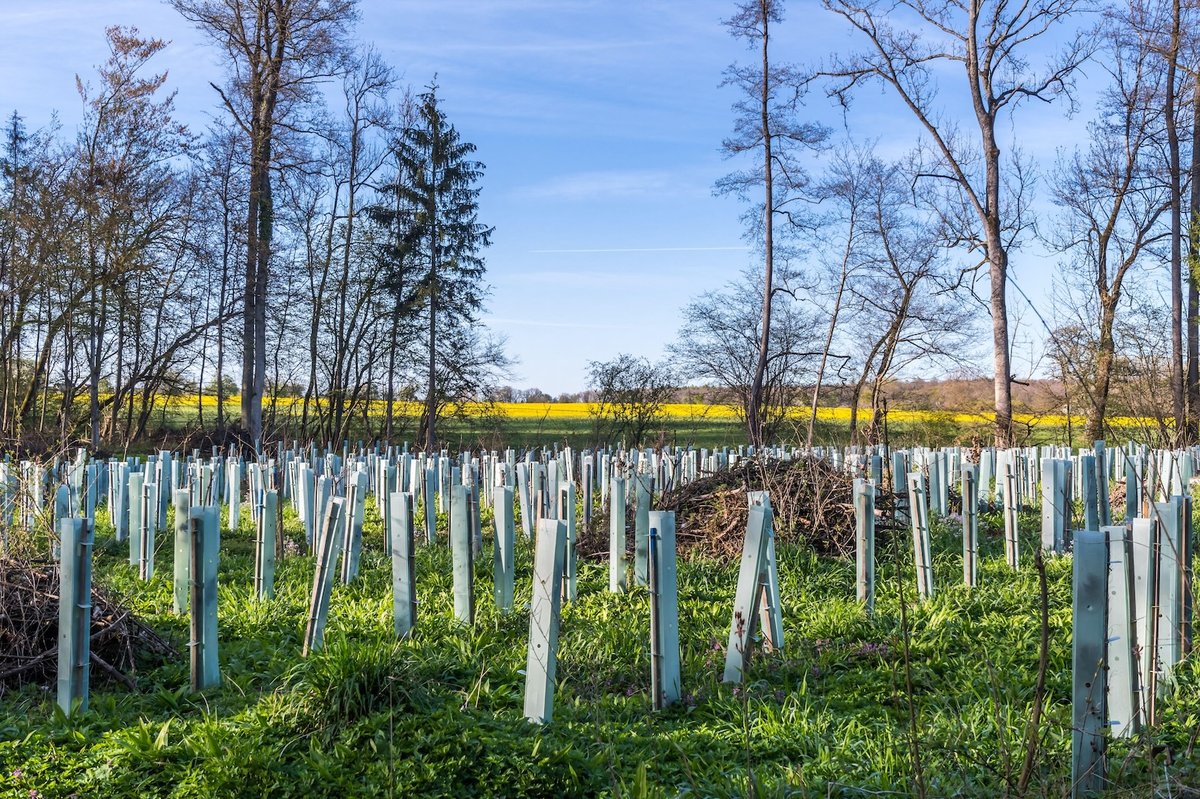
The overwhelming majority of current CDR (approximately 2 billion tonnes of CO₂ per year) comes from conventional methods — afforestation, wetland restoration, soil carbon. New technologies make up a fraction of a percent.
How big is the gap?
National commitments lag behind the 1.5 °C warming‑limit scenarios by more than 5 billion tonnes of CO₂ per year by 2050. To close this gap, CDR must grow at a rate comparable to the fastest energy transformations in history — including solar power and electric vehicles.
The report designates the 2026–2030 period as “key” for establishing the role of CDR in limiting climate damage in the coming decades.
In the short term, CDR helps reduce net emissions. In the medium term it serves to offset residual emissions to achieve net‑zero. In the long term — if the world overshoots temperature targets — CDR could help gradually lower warming.
The report emphasizes that CDR must play a smaller role than emissions reductions, and should be seen as a limited resource that needs to be used judiciously. CDR is not an alternative to decarbonisation — it is a complement for emissions that cannot be eliminated.
The current state shows a huge gap between what we know we need and what we are actually doing. Investment is growing, but according to the report's authors a fundamental change in pace is needed — not a gradual increase, but a leap‑forward expansion of capacity within this decade.
Related articles
India released its 2035 climate targets: 47% reduction in emission intensity, 60% carbon‑free energy

ESG remains an important part of investing for pension and investment fund managers - despite political pressure
CCC: The costs of net-zero are lower than the cost of a single fossil fuel price shock