China changed the way it measures its key climate target...

...and "erased" 730 million tonnes of CO₂ per year
A fresh analysis by Carbon Brief from Lauri Myllyvirta reveals that China retrospectively changed the methodology for calculating carbon intensity (CO₂ per unit of GDP), which it has used as its main climate indicator since 2009.
Potential consequences could be significant.
The original metric included emissions from the combustion of fossil fuels, including their non‑energy use (mainly the chemical industry). The new version, on the other hand, excludes non‑energy use of fossil fuels and adds industrial process emissions (cement, metals).
On paper it looks like a technical adjustment. In practice it means that China officially almost met its 18% carbon‑intensity reduction target for the 2020–2025 period (reported at 17.7%), whereas under the original methodology it achieved only 12.4%.
According to the original data, Chinese CO₂ emissions rose by 14% in 2020–2025, while under the new metric they rose by only 7%. The difference amounts to 730 million tonnes of CO₂ per year — equivalent to the total emissions of Germany or South Korea.
Part of the difference is explained by a scope change: a drop in cement production (approximately –300 Mt CO₂) and carbon bound in chemical products (~100 Mt). Yet even after accounting for all these factors, an unexplained gap of about 380 Mt CO₂ remains, for which there is no explanation in the available data.
The rapid growth of China's coal‑based chemical industry — where conversion efficiency is significantly lower and process emissions for olefins are ten times higher than from oil — means that a large portion of carbon will not be locked into products but will escape into the atmosphere.
Why is it important?
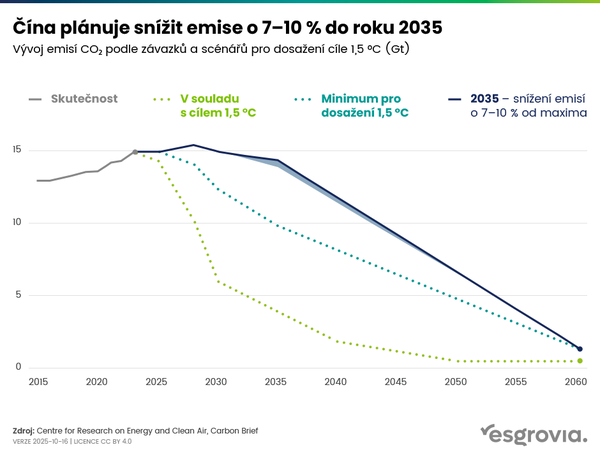
With the new metric, China can meet its Paris commitment (a 65% reduction in carbon intensity by 2030 compared to 2005) even while absolute emissions grow. Under the old metric, emissions would have to decline. The uncertainty also carries over into the newer pledge to cut greenhouse‑gas emissions by 7–10% below peak by 2035.
As summarized by Ryna Cui from the University of Maryland: the problem is not the scope of the targets, but the ambiguity and inconsistency between setting targets and tracking progress, which creates room for manipulation.
Transparency of climate accounting for the world’s largest emitter is crucial for the credibility of the entire Paris process. The Chinese transparency report for the UN, expected by the end of 2026, should bring more clarity.
Related articles
China plans to reduce emissions by 7–10% by 2035
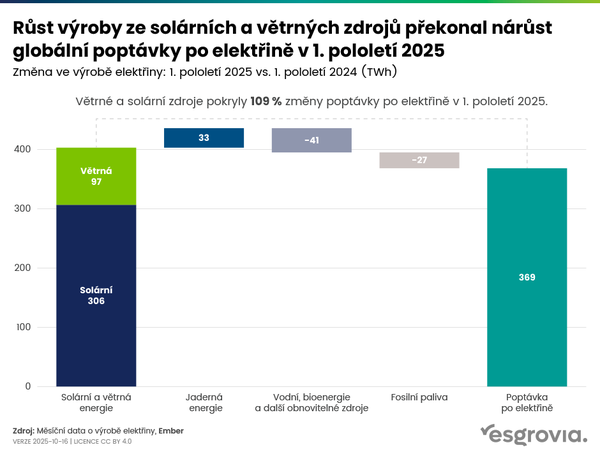
Renewable sources overtook coal as the world’s leading source of electricity for the first time
Priorities of China’s new five-year plan