The California trap: when batteries work too well
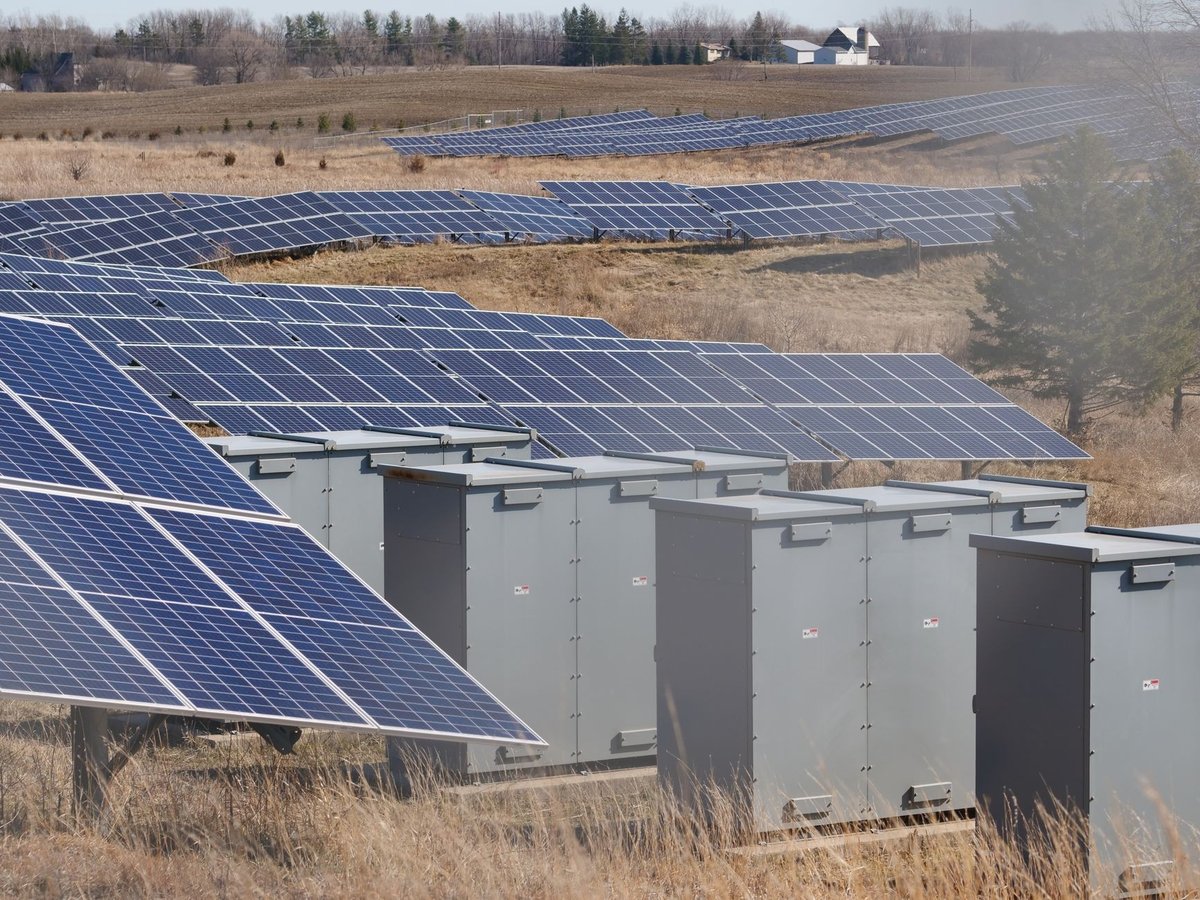
An interesting paradox from California: battery storage there has fulfilled its mission so perfectly that it is now threatening its own economy.
Analysis by Aurora Energy Research describes that between 2022 and 2025 the installed capacity of battery storage in California multiplied several times. This had a dramatic impact on electricity prices and their fluctuations:
- negative midday prices (caused by excess solar energy) practically disappeared – batteries simply absorb the surplus.
- evening price spikes were significantly flattened.
In 2022 the price exceeded $70/MWh for 14% of the time; by 2025 it barely reached that level.
However – and here’s the trap – the business model of battery storage relies on the spread between cheap and expensive hours. The more batteries smooth prices, the smaller the spread remains. The average return from battery capacity fell from $115/kW-year in 2022 to an estimated $52/kW-year in 2025 – less than half.
The point is that in California solar plants have fixed feed‑in tariffs – the market price doesn’t affect them. Batteries, on the other hand, are existentially dependent on the market price. If the construction of batteries and solar expands in an uncoordinated way, there is a risk that the flexibility market becomes oversaturated before the next wave of electrification (heat pumps, EVs, data centers) arrives, which would create new demand for flexibility.
The California example suggests that the energy transition does not end with the installation of batteries – it rather begins there. Regulators and investors must align the pace of renewable build‑out, storage, and demand electrification. Otherwise the market will send a "stop" signal to battery projects precisely when we need them most.
California is once again a laboratory of the future – and it shows that even good news need to be read carefully.
Related articles
Remote heat meter readings and monthly consumption information – what does the legislation require?
European biomethane production rose to 5.2 billion m³
EU approved € 5 bn for climate projects – and € 3.7 bn of it is earmarked for the Czech Republic