The European pulp and paper industry calls for freezing EU ETS benchmarks
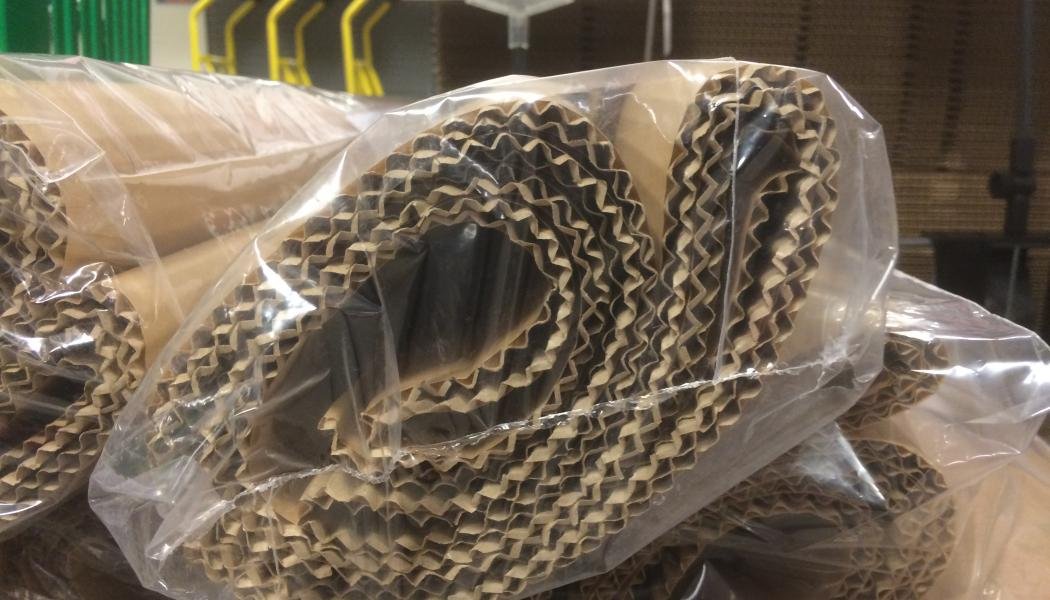
The Commission proposes updating benchmark values for the allocation of free emission allowances. For pulp and paper, this means a reduction of up to 50%.
According to the sector, this means a potential loss of investment capacity of around €1 billion per year for decarbonisation.
The problem is the timing, because the new benchmarks are based on data from 2021–2022, i.e., a period of extreme energy prices and geopolitical instability. They do not take the current market reality into account.
Meanwhile, the sector has reduced greenhouse gas emissions by more than 50% since 2005 — partly thanks to investments funded by ETS mechanisms. The remaining path to net zero by 2050 will require seven times the current annual investments.
Moreover, European operators and consumers bear 80% of global carbon costs. Tightening the benchmarks regardless of the international context further undermines the competitiveness of one of the few industrial sectors where the EU still has a global advantage.
Related articles
BP shareholders rejected the weakening of climate reports
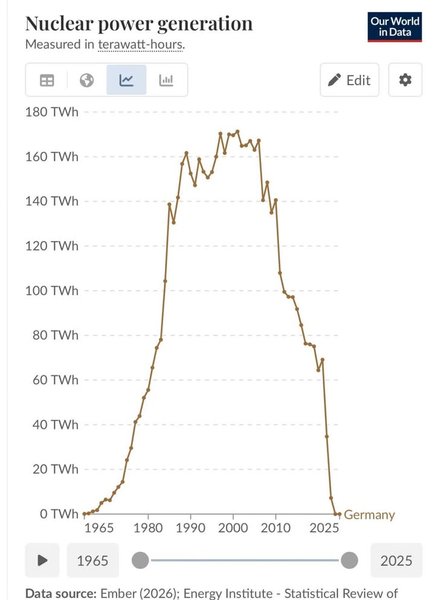
JPMorgan: without nuclear power plants, Germany would produce 50% less electricity from fossil fuels in 2024
The EU Council has agreed to expand CBAM to additional industrial products.